01
Emergency Assessment
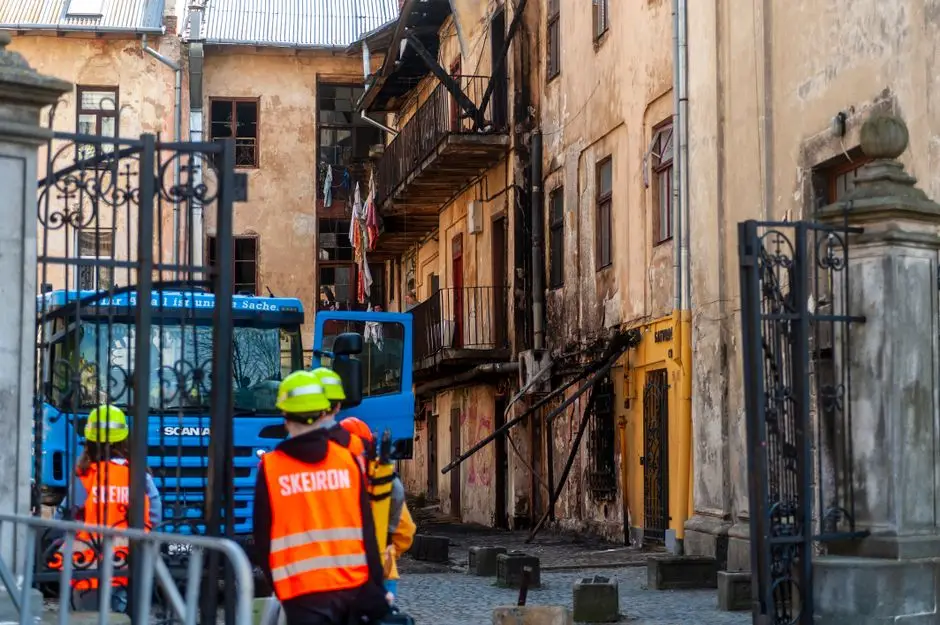
We arrive within 60 to 90 minutes of your call, board up any open areas, and shut off utilities if needed. A thermal imaging camera maps heat damage inside walls, and a moisture meter records water content in the subfloor. You get a written scope and a start time before we touch anything.
02
Soot and Debris Removal
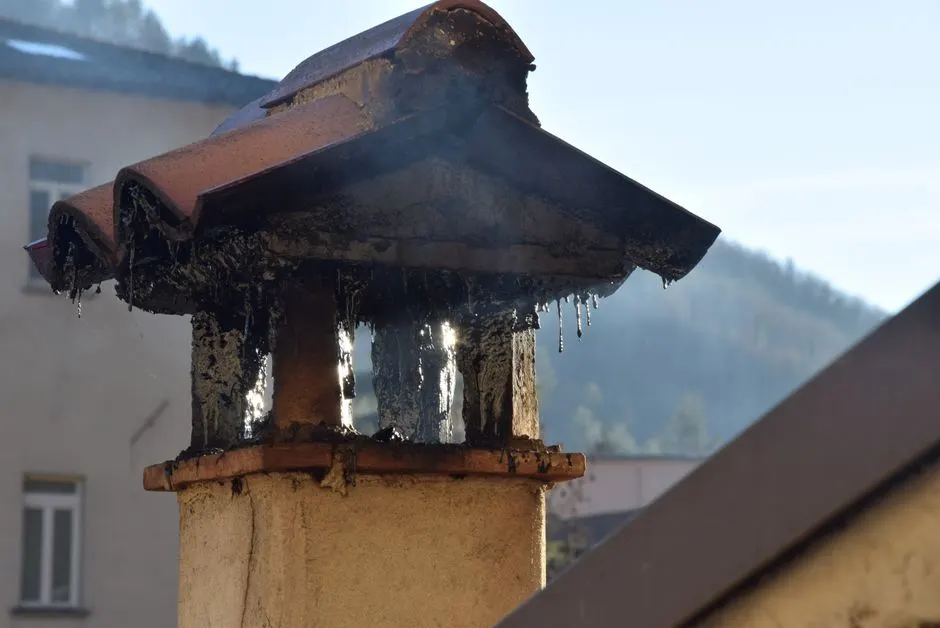
Technicians use dry ice blasting and soda blasting on framing and masonry, and soot sponges on painted surfaces. Charred drywall, insulation, and lumber get bagged and hauled out. This stage usually takes one to two days depending on how far smoke traveled through the attic chase.
03
Water Extraction and Drying
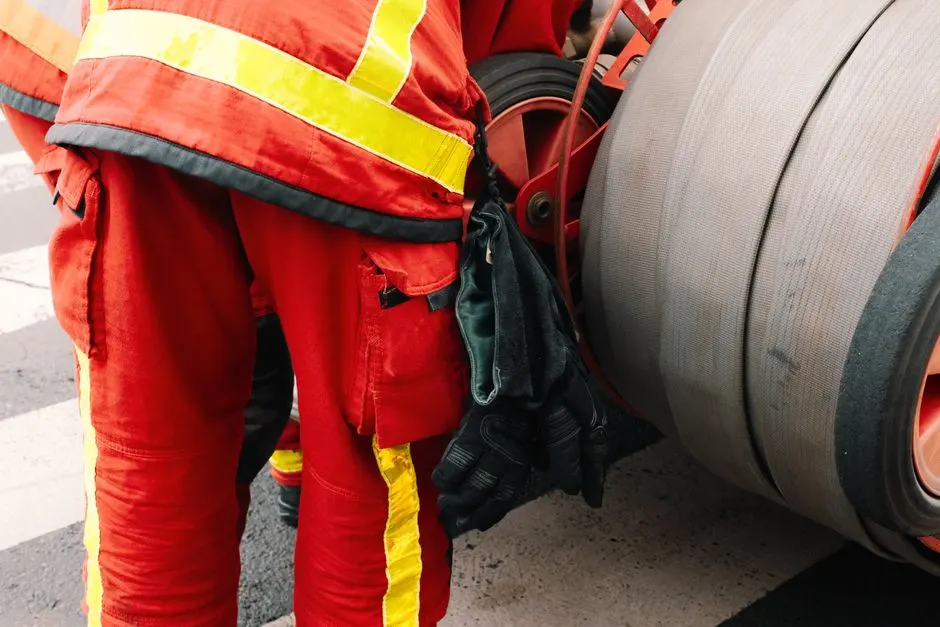
Truck-mounted extractors pull standing water, then air movers and dehumidifiers dry the framing to under 16% moisture content. We check readings twice a day and adjust equipment placement. Most kitchens dry in three to five days, which is the window before mold growth after fire becomes a real risk.
04
Odor and Air Treatment
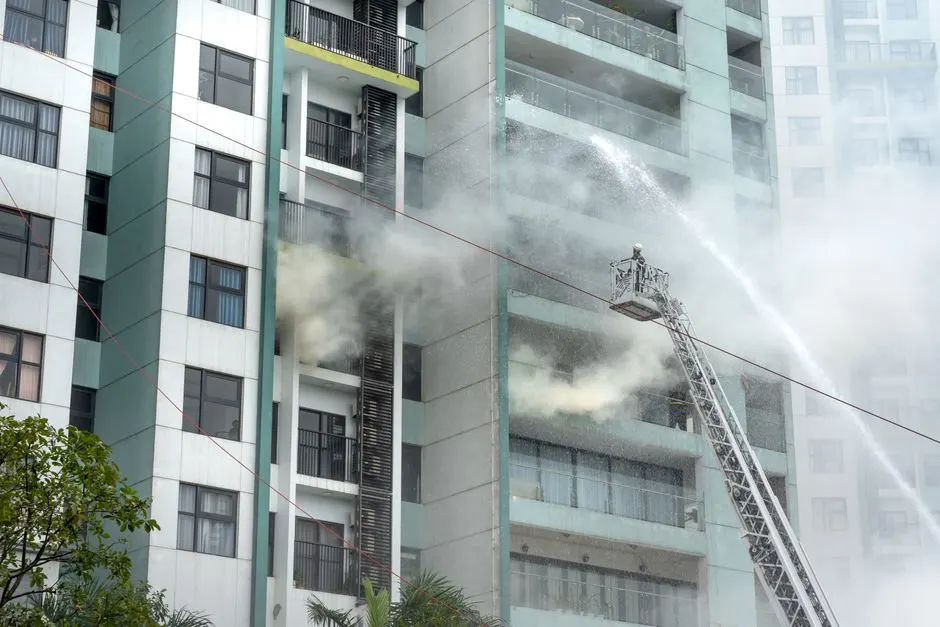
A thermal fogger pushes odor counteractant into wall cavities and ductwork, and a hydroxyl generator runs continuously for 24 to 48 hours. HEPA air scrubbers filter out fine soot particles down to 0.3 microns. We do not call the job done until a walk-through confirms the smoke odor is gone.
05
Repairs and Final Walk-Through
We replace drywall, insulation, and damaged cabinetry, apply smoke sealant to framing, and finish with fire retardant coatings where code requires it. Your adjuster gets a final photo log and invoice. Most full kitchen rebuilds finish in two to four weeks, and we warranty our workmanship for one year.